


All categories >
International Shipping Container Dry Cargo Knowledge Sharing: A Comprehensive Summary of Shipping Knowledge
Categories:
Time of issue:
2025-02-21 16:20
1.Basic Knowledge of Containers
Common Container Types
• 20-foot Standard Container(20GP):
Length:20 feet(6.096 meters)
Height:8 feet 6 inches(2.6 meters)
Width:2.35 meters
Cargo Volume:Approximately 28 cubic meters.
• 40-foot Standard Container(40GP):
Length:40 feet(12.192 meters)
Height:8 feet 6 inches(2.6 meters)
Width:2.35 meters
Cargo Volume:Approximately 58 cubic meters.
• 40-foot High Cube Container(40HC):
Length:40 feet(12.192 meters)
Height:9 feet 6 inches(2.9 meters)
Width:2.35 meters
Cargo Volume:Approximately 68 cubic meters.
• 45-foot High Cube Container(45HC):
Length:45 feet(13.716 meters)
Height:9 feet 6 inches(2.9 meters)
Width:2.35 meters
Cargo Volume:Approximately 75 cubic meters.
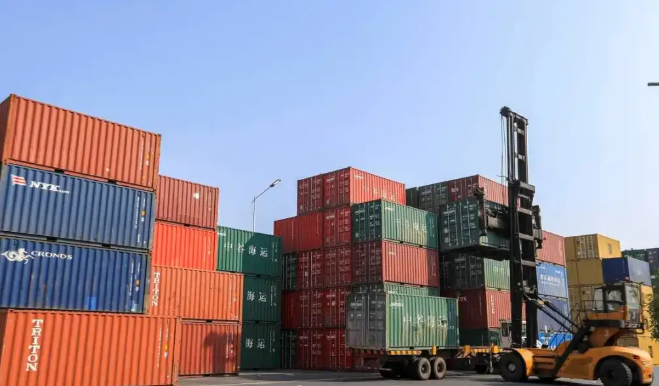
• Container Type Classification
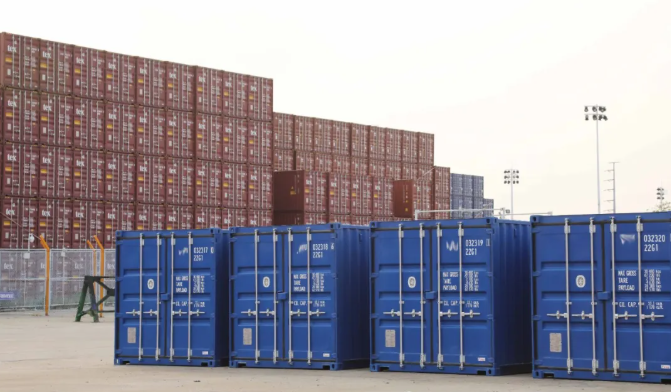
• Dry Cargo Container (DC): Used for the transportation of general cargo, such as 20GP, 40GP, 40HC, etc.
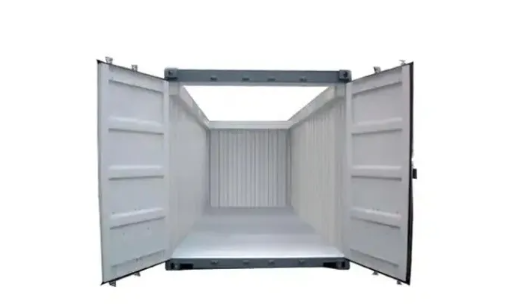
• Open Top Container (OT): No fixed top, suitable for loading oversized cargo.
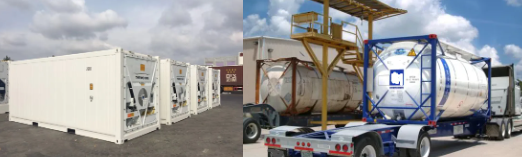
1.Special Containers
• Special Containers:Such as Refrigerated Containers(Reefer Containers)and Tank Containers,used for the transportation of special cargo.
2.Less than Container Load and Full Container Load
• Less than Container Load(LCL):A container loaded with small quantities of cargo from multiple owners,suitable for situations where the cargo volume does not fill a full container.
• Full Container Load(FCL):A container loaded with cargo from only one owner,suitable for large quantities of cargo.
3.Container Number and Seal Number
• Container Number:A unique identifier for the container,consisting of four letters and seven digits,used for identifying and tracking containers.
• Seal Number:The number of the seal used to lock the container door,ensuring the safety of the cargo during transportation.
---
4.Container Transportation Process
Loading and Unloading
• Loading:Placing cargo into the container,paying attention to securing and stacking methods to avoid damage during transportation.
• Unloading:Removing cargo from the container at the destination,usually done at a warehouse or designated location.
Backloading and Drop-off
• Backloading Empty/Loaded Containers:Picking up empty or loaded containers from the terminal to transport to manufacturers or warehouses.
• Drop-off Empty/Loaded Containers:Returning loaded or empty containers back to the terminal.
Transportation and Transshipment
• Multimodal Transport:Containers can be transported through various modes such as sea,rail,and road,achieving"door-to-door"service.
• Transshipment Port:Cargo may need to be transferred at a transshipment port to reach the final destination.
Port Operations
• Terminal Yard:An area for storing containers,divided into import and export yards.
• Loading and Unloading Equipment:Such as quay cranes,Automated Guided Vehicles(AGV),etc.,used for efficient loading and unloading of containers.
---
5.Advantages and Disadvantages of Container Transportation
Advantages
• High Loading and Unloading Efficiency:Container loading and unloading is mechanized,greatly reducing the time ships spend in port.
• Low Cargo Damage Rate:Cargo is sealed inside the container during transportation,reducing damage and loss.
• Low Transportation Costs:Natural formation of sea routes,large transport volumes,and low unit costs.
• High Flexibility:Seamless connection of various transportation modes through multimodal transport.
Disadvantages
• Highly Affected by Weather:Severe weather may cause delays in shipping.
• High Port Facility Requirements:Requires specialized loading and unloading equipment and yards.
---
6.Precautions for Container Transportation
Loading Requirements
• Ensure cargo is secured to prevent movement during transportation.
• Comply with the maximum load capacity of the container to avoid overloading.
Customs Declaration and Documentation
• Bill of Lading(B/L):Records cargo information,vessel name,voyage number,container number,etc.
• Equipment Handover Document:Used for picking up and returning containers.
Transportation Time
• Pay attention to the cut-off time to ensure cargo arrives at the port on time.
Costs
• Includes freight,terminal handling fees,storage fees,seal fees,etc.
---
7.Future Development Trends
Intelligence and Automation
• Ports and vessels will increasingly adopt automated equipment,such as Automated Guided Vehicles(AGV)and automated cranes.
• Internet of Things technology will enable real-time tracking and status monitoring of containers.
Green and Low Carbon
• Promote the green transformation of container transportation to reduce carbon emissions.
Market Growth
• With the continuous development of international trade,the scale of the container transportation market will continue to grow steadily.
---
Conclusion
I hope the above content is helpful to you!If you need more detailed information,feel free to consult us.
Service hotline:0755-82171929/13560787209
---

WeChat QR code
Logistics Query
Quickly obtain the latest logistics information


Scan code contact
Address: 25/F Room C,Tower A, Honglong Century Plaza, No. 4002 Shennan East Road,Luo Hu District, Shenzhen, China
Zhongshan Address: Room 805, Floor 8 , Poly Plaza office Building, No. 1 Shiji East Road, Port Town, Zhongshan, Guangdong
Changsha Address: 12020, Building 2, Fudi Xingguang Tiandi, Yuhua District, Changsha .,Hunan
Indonesian company:PT VTOP LOGISTIK INTERNATIONAL
Indonesian address:Jalan Pantai Indah Barat Komplek Toho Blok A No 18 ,Kec.Penjaringan,Kel.Kamal Muara,Jakarta Utara

WeChat ID
Scan code contact