


All categories >
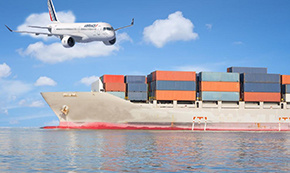
USA SOC(Shipper's Own Container) Box Professional Shipping Service
Categories:
Time of issue:
2024-08-23 15:15

- Cargo owner autonomous controlThe owner has complete control over the container and can carry out customized management according to his own needs and the characteristics of the goods, including packing, sealing and arranging transportation routes.
- High flexibility: It can better meet the special transportation requirements of the cargo owner, for example, when there are specific requirements for the loading method, transportation time, transportation route, etc., it can be arranged more flexibly.
- Cost Management: Although the purchase or lease of SOC boxes requires a certain cost, but for long-term demand for a large number of cargo transport and the transport process has special requirements for the owner, you can optimize the transport plan and container efficiency to reduce the overall cost.
- Reduced risk of damage to goods: The cargo owner can manage the packaging and loading process of the goods in more detail, thereby reducing the risk of damage caused by improper operation and other reasons during transportation.
- Container preparation: The cargo owner selects the appropriate type and size of SOC box according to the quantity and characteristics of the goods, and ensures the quality and adaptability of the container.
- Cargo packing: Packing the goods in a suitable place, strictly in accordance with the packaging requirements and safety specifications, to ensure that the goods are stable and reasonably distributed in the container.
- Transport arrangements: Choose the appropriate mode of transport (e. g. sea, air, land, etc.) and transport company. Negotiate with the transportation company the details of the transportation contract, cost, transportation time, etc.
- Customs declaration and clearanceAccording to the relevant regulations of the United States, prepare the necessary customs declaration documents, and carry out accurate and timely customs declaration and customs clearance procedures when the goods arrive at the U.S. port to ensure that the goods can enter the U.S. market smoothly.
- Destination Delivery: After the goods arrive at the destination in the United States, the delivery and unloading of the container will be carried out in accordance with the agreement with the consignee.
- Container Maintenance: The consignor needs to be responsible for the daily maintenance and maintenance of the SOC box to ensure that the container is kept in good condition during transportation, and to avoid damage to the container that affects the transportation of the goods or generates additional costs.
- Regulatory ComplianceIt is necessary to fully understand the laws, regulations and policy requirements of the United States on container transportation, import and export goods, etc., to ensure the legality and compliance of the transportation process.
- Insurance Purchase: Consider purchasing cargo transportation insurance and container insurance to deal with possible unexpected situations, such as damage to goods, loss, transportation delays, etc., to reduce potential economic losses.

- Experience and Professional Qualifications:
- The transportation company should have rich experience in SOC box transportation and understand the handling methods of various cargo types and transportation requirements. For example, Qingdao American Express International Logistics Co., Ltd. is a non-vessel carrier enterprise (NVOCC) approved by the Ministry of Communications. It has a first-class international freight forwarding qualification and has many years of experience in the industry.
- Check whether the company has relevant industry certification and qualification, such as international freight forwarding qualification, which is a reflection of its legitimacy and professional ability.
- Service Scope and Capacity:
- A wide range of services, including but not limited to sea, air, land and other modes of transport, to meet your different transport needs. For example, some companies can provide a one-stop service from packing and shipping goods to customs clearance and delivery at the destination.
- With strong domestic and foreign networks and resources, such as branches, agents or partners in major ports and cities at home and abroad, it can ensure the smooth connection and efficient handling of goods in the transportation process. Like Lucky Shipping, it has branches in Shenzhen, Xiamen, Ningbo and other places in China, and foreign branches in Los Angeles, Vancouver, Canada, etc., with an agency network in more than 70 countries around the world.
- Transport prices and costs:
- Obtain detailed price quotations, clarify the composition of various costs, including transportation costs, surcharges, insurance premiums, etc., to ensure that the price is transparent and there are no hidden costs.
- However, price is not the only consideration. It cannot be selected just because of low prices. It is necessary to comprehensively consider service quality and cost performance.
- Transportation aging and reliability:
- Understanding the company's shipping time commitment and past shipping punctuality can be obtained by querying customer reviews, case sharing, or consulting with its existing customers.
- Reliable transportation companies will have a complete cargo tracking system, so that you can grasp the location and transportation status of goods in real time, such as providing online inquiry platform or regular transportation status update report.
- Customer evaluation and word of mouth:
- Through the Internet, industry forums, social media and other channels, find other customers' evaluation and feedback on the transportation company, focusing on the evaluation of service quality, transportation reliability, problem solving ability, etc.
- You can also consult your peers or related industries to understand their views and recommend on different transportation companies.
- Insurance and Indemnity Policy:
- Confirm whether the company provides cargo transportation insurance, as well as the scope of insurance and the amount of compensation. In the process of transportation, you may encounter various unexpected situations, such as damage to the goods, loss, etc., and perfect insurance can reduce your risk of loss.
- Understand the company's compensation process and how to deal with problems to ensure that your rights and interests are protected.
- Communication and Service Quality:
- A quality transportation company should have good communication skills, be able to respond to your inquiries and questions in a timely manner, and provide professional suggestions and solutions.
- Examine the professionalism, response speed and service attitude of their customer service team, such as whether they can actively communicate with you and coordinate solutions when dealing with emergencies during transportation.
- Contract terms and flexibility:
- Carefully review the terms of the contract of carriage, including the division of responsibility, duration of carriage, liability for breach of contract, etc., to ensure that the terms of the contract are fair and reasonable and meet your needs.
- At the same time, understand whether the company has a certain degree of flexibility in the implementation of the contract, and can make appropriate adjustments and negotiations according to your special requirements or emergencies.
Logistics Query
Quickly obtain the latest logistics information


Scan code contact
Address: 25/F Room C,Tower A, Honglong Century Plaza, No. 4002 Shennan East Road,Luo Hu District, Shenzhen, China
Zhongshan Address: Room 805, Floor 8 , Poly Plaza office Building, No. 1 Shiji East Road, Port Town, Zhongshan, Guangdong
Changsha Address: 12020, Building 2, Fudi Xingguang Tiandi, Yuhua District, Changsha .,Hunan
Indonesian company:PT VTOP LOGISTIK INTERNATIONAL
Indonesian address:Jalan Pantai Indah Barat Komplek Toho Blok A No 18 ,Kec.Penjaringan,Kel.Kamal Muara,Jakarta Utara

WeChat ID
Scan code contact