

All categories >
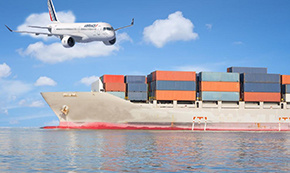
The implementation details of the 10% tariff increase in the United States, including exemption policies, have been announced!
Categories:
Time of issue:
2025-02-08 17:07
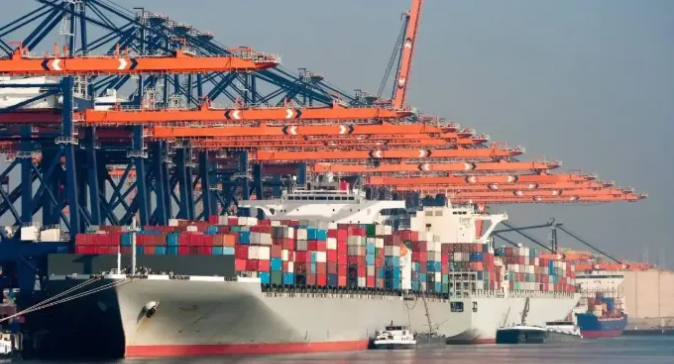
The following are the specific implementation details:
Main tariff categories
Tax rate: An additional 10% ad valorem tax will be imposed on the current tariffs (including anti - dumping and countervailing duties). This means that goods that were previously subject to a 25% tariff will see the tariff increase to 35%.
Scope of application: All goods originating from China (including Hong Kong, except for the following exempt categories and personal luggage items).
Exemption categories
The following three categories of goods can apply for exemption from the additional tariff, and the applicants must declare the corresponding tariff classification number.
9903.01.21: Donated materials for humanitarian assistance (such as food, clothing, and medicines).
The new regulations require companies to accurately classify the tariff classification numbers of goods (e.g., distinguishing between 9903.01.21 humanitarian materials and 9903.01.20 ordinary goods); incorrect declarations may lead to customs clearance delays or fines.
9903.01.22: Information materials (including publications, audiovisual works, news materials, etc.).
9903.01.23: Goods that meet the following conditions:
Shipped before February 1, 2025, or in the final stage of transportation; entering the U.S. consumption phase between February 4 and March 7, 2025.
It is important to emphasize that according to exemption clause 9903.01.23, only goods that were shipped before February 1, 2025, and arrive in the U.S. before March 7 are exempt from the additional tariff.
Exporters who fail to adjust their shipping pace in time may face risks of unsold goods or violations.
Special terms and exceptions
1. Exceptions for Chapter 98 goods
- 9802.00.40 (U.S. goods repaired or improved abroad)
- 9802.00.50 (U.S. metal products processed abroad)
- 9802.00.60 (U.S. component products assembled abroad)
- 9802.00.80 (Goods assembled abroad)
2. Foreign Trade Zone (FTZ) regulations
3. Cancellation of minimum duty - free
How to check the latest tariff rates for specific products?
1. U.S. International Trade Commission (USITC) official website
- Website: https://hts.usitc.gov/
- Function: You can enter the HTS code of the product on this website to view the corresponding tariff rate.
2. U.S. Trade Representative (USTR) official website
- Website: https://ustr.gov/
- Function: This website allows you to view policy documents related to Section 301 tariffs and the latest exemption list.
3. U.S. Customs and Border Protection (CBP)
- Website: https://www.cbp.gov/
- Function: Here, you can understand customs regulations and the latest import requirements.
Logistics Query
Quickly obtain the latest logistics information


Scan code contact
Address: 25/F Room C,Tower A, Honglong Century Plaza, No. 4002 Shennan East Road,Luo Hu District, Shenzhen, China
Zhongshan Address: Room 805, Floor 8 , Poly Plaza office Building, No. 1 Shiji East Road, Port Town, Zhongshan, Guangdong
Changsha Address: 12020, Building 2, Fudi Xingguang Tiandi, Yuhua District, Changsha .,Hunan
Indonesian company:PT VTOP LOGISTIK INTERNATIONAL
Indonesian address:Jalan Pantai Indah Barat Komplek Toho Blok A No 18 ,Kec.Penjaringan,Kel.Kamal Muara,Jakarta Utara

WeChat ID
Scan code contact