


All categories >
What are the precautions for the international transport of nine categories of dangerous goods?
Categories:
Time of issue:
2024-08-30 12:03
- Understand the relevant regulations:
- Must be familiar with international and domestic regulations, regulations and requirements for the transport of dangerous goods, such as the regulations of the International Civil Aviation Organization (ICAO) and the International Maritime Organization (IMO), as well as countries' own transport regulations. Different countries and regions may have differences in the definition, classification, packaging, marking and transportation conditions of dangerous goods. Only by fully understanding and strictly abiding by these laws and regulations can the legality and safety of transportation be ensured.
- Correct classification and labeling:
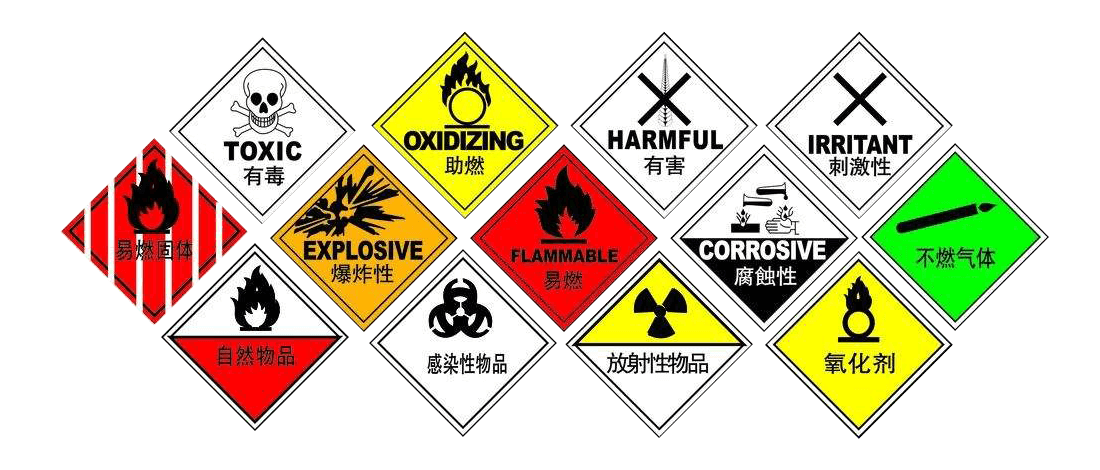
- Dangerous goods need to be accurately classified according to their nature and degree of danger, and correctly marked and labeled on the packaging. Each dangerous goods has a corresponding United Nations number (UN number) and hazard category label, such as explosives, flammable gases, flammable liquids, flammable solids, oxidizing substances, toxic substances, radioactive substances, corrosive substances, miscellaneous hazardous substances, etc., must ensure clear and accurate identification to prevent cross-contamination and accidents.
- properly packed:
- It is very important to choose the right packaging materials and methods to ensure the safety and stability of dangerous goods during transportation. The packaging shall be able to withstand various stresses during transportation, such as vibration, impact, extrusion, etc., while preventing leakage, spillage or emission of dangerous goods. For example, for flammable liquids, well-sealed, corrosion-resistant containers should be used; for toxic substances, packaging should have good barrier properties.
- For some special dangerous goods, such as lithium batteries, it may be necessary to follow specific packaging requirements and standards to prevent safety accidents caused by battery short circuit, overheating and other problems.
- Personnel training:
- Ensure that key personnel involved in transportation, such as drivers, stevedores, escorts, etc., have received professional training in dangerous goods transportation. The training content shall include knowledge and skills on the identification, characteristics, transportation operation procedures and emergency treatment measures of dangerous goods, so that they can understand the risks that may occur during transportation and how to take effective control measures.
- Training should be conducted regularly to update the knowledge of personnel and adapt them to changes in regulations and technology. At the same time, the safety awareness and responsibility of personnel should be emphasized to ensure that they strictly abide by the operating procedures.
- Safety equipment and protective measures:
- Provide necessary safety equipment and protective equipment, such as appropriate protective clothing, gloves, goggles, respiratory protective equipment, etc., to protect relevant personnel from possible injuries caused by hazardous materials. For example, when handling corrosive substances, anti-corrosion gloves and protective clothing should be worn; when transporting toxic gases, corresponding gas detection instruments and respiratory protection equipment should be equipped.
- Transport vehicles or ships should be equipped with corresponding fire-fighting equipment, leakage emergency treatment equipment, etc., so that in the event of an accident can be dealt with in a timely manner to reduce losses.
- Security Review and Tracking:
- Prior to transportation, conduct a comprehensive safety review of the transportation plan, packaging, vehicle or vessel suitability, etc. to ensure compliance with relevant requirements. In the process of transportation, the goods should be tracked in real time through the global positioning system (GPS) and other technical means to monitor the location, status and transportation environment of the goods.
- Establish an effective information communication mechanism to ensure that all parties involved in transportation can obtain transportation information in a timely manner. In case of abnormal situations, such as cargo leakage, packaging damage, etc., necessary actions should be taken immediately, such as stopping transportation and emergency treatment.
- Emergency handling:
- Develop detailed emergency plans and procedures to deal with possible emergencies, such as fire, explosion, leakage, etc. The emergency plan shall include accident reporting procedures, emergency response measures, personnel evacuation plan, rescue action plan, etc.
- In accordance with the requirements of laws and regulations, ensure the completeness and availability of emergency equipment, and regularly conduct emergency drills to familiarize relevant personnel with emergency operation procedures and improve the ability to respond to emergencies. In the event of an accident, measures can be taken quickly and effectively to reduce the impact and loss of the accident.
- Choose a reliable partner:
- Including suppliers, carriers and logistics companies. Ensure that they have the appropriate qualifications and experience to be competent for the transport of dangerous goods. For example, the carrier should have a dangerous goods transport license, and the driver and escort should have the corresponding qualification certificate.
- Establish close cooperation with partners, clarify the responsibilities and obligations of all parties, and strengthen communication and coordination. When choosing a partner, you should refer to its past performance and reputation, and choose a reliable company with a good safety record.
- Special Considerations:
- Some common categories of the nine categories of dangerous goods have their special requirements. For example, lithium battery products (UN3480, UN3481, UN3171, etc.) belong to nine categories of dangerous goods. In addition to complying with the above general precautions, it should also be noted that the battery must pass the UN38.3 test requirements and the 1.2-meter drop package test. The shipper must fill in the dangerous goods declaration form, provide the corresponding dangerous bag certificate and the transportation appraisal report issued by the certified third organization, and show it as a product that it meets the standard; the outer packaging must be labeled with 9 types of hazard labels. If air transportation is used, the operation label "only for all cargo transportation" must be affixed.
Logistics Query
Quickly obtain the latest logistics information


Scan code contact
Address: 25/F Room C,Tower A, Honglong Century Plaza, No. 4002 Shennan East Road,Luo Hu District, Shenzhen, China
Zhongshan Address: Room 805, Floor 8 , Poly Plaza office Building, No. 1 Shiji East Road, Port Town, Zhongshan, Guangdong
Changsha Address: 12020, Building 2, Fudi Xingguang Tiandi, Yuhua District, Changsha .,Hunan
Indonesian company:PT VTOP LOGISTIK INTERNATIONAL
Indonesian address:Jalan Pantai Indah Barat Komplek Toho Blok A No 18 ,Kec.Penjaringan,Kel.Kamal Muara,Jakarta Utara

WeChat ID
Scan code contact