


All categories >
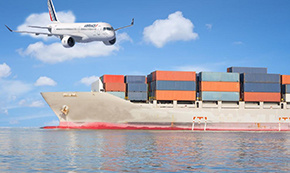
The East Coast ports have reached a preliminary agreement with workers, and there will be no strike (International Shipping News).
Categories:
Time of issue:
2025-01-14 12:13
Recently, the International Longshoremen's Association (ILA), representing the interests of port workers on the U.S. East Coast and the Gulf Coast, announced a preliminary agreement with the U.S. Maritime Alliance (USMX), representing employers, on a new six-year master contract. This development effectively avoids a potential dock strike crisis originally scheduled for January 15, 2025, and brings stability to logistics transportation on the U.S. East Coast.
The new agreement reportedly covers about 25,000 unionized container stevedores at 14 ports and shipping freight centers from Texas to Boston. In a joint statement, both parties referred to the agreement as a "win-win," as it not only protects existing jobs but also establishes a framework for implementing new technologies that are expected to create more jobs and promote port modernization. Although the specific terms of the agreement have not been disclosed, both parties have agreed to continue operating under the current contract until the formal approval of the new contract.
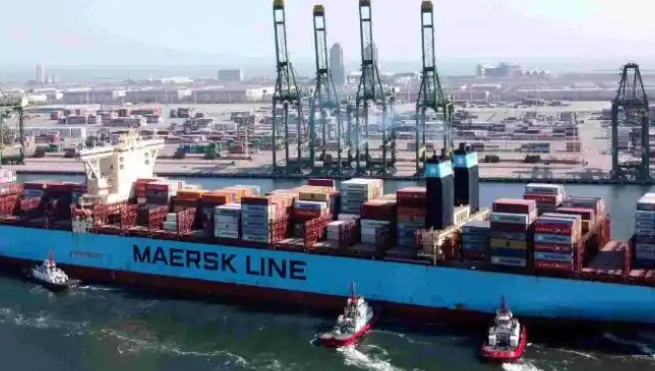
Previously, due to disagreements over issues such as wages and the application of automated machinery, tens of thousands of ILA members began striking on October 1, 2024. The strike led to soaring shipping prices and cargo backlogs at 36 affected ports, severely impacting the U.S. supply chain. Fortunately, on October 3, 2024, both parties reached a preliminary agreement on wage issues and agreed to extend the master contract, originally set to expire on September 30, 2024, to January 15, 2025, after which the port workers suspended the strike.
The achievement of this preliminary agreement not only avoids further logistics delays and supply chain disruptions caused by additional strikes but also saves shippers from potential extra operating costs. With the strike crisis resolved, the surcharges that shipping companies had previously announced due to strike risks will no longer be collected, which is expected to gradually bring East Coast freight rates back to normal levels.
According to Shipping Weekly analysis, as the new agreement is implemented, freight rates on the West Coast may be directly affected. Currently, spot freight rates from Shanghai Port to Los Angeles and Long Beach remain high, but with the resolution of the strike crisis, these rates are expected to decrease. Especially with the arrival of the Spring Festival consumption peak, the traditional increase in freight demand before the Spring Festival may have some impact on freight rates, but government control over pandemic policies leaves market consumption conditions uncertain, which will be a key factor influencing future freight rate trends.
A senior analyst at Fitch Ratings pointed out that the global container shipping market is currently facing an oversupply situation. Although there may be a short-term increase in cargo volume due to changes in tariff policies, in the long run, this policy will not bring lasting benefits to the container shipping market. Additionally, the global container shipping market is not optimistic, especially as the Red Sea crisis in the Middle East continues to affect supply and demand balance.
Nevertheless, experts remain cautiously optimistic about future market trends. If East Coast freight rates can steadily return to normal levels, the overall freight rates in the container shipping market will also change accordingly. However, whether West Coast freight rates can stabilize and rebound to normal levels still requires time to verify.
The preliminary agreement reached between labor and management at East Coast ports undoubtedly brings positive effects to the U.S. logistics transportation industry. With the formal implementation of the agreement, it is expected to alleviate the supply chain disruptions and rising freight rates caused by the previous strike, and pave the way for port modernization and future growth. However, for shipping companies, how to respond to future changes in freight rates remains a matter that requires ongoing attention.
Logistics Query
Quickly obtain the latest logistics information


Scan code contact
Address: 25/F Room C,Tower A, Honglong Century Plaza, No. 4002 Shennan East Road,Luo Hu District, Shenzhen, China
Zhongshan Address: Room 805, Floor 8 , Poly Plaza office Building, No. 1 Shiji East Road, Port Town, Zhongshan, Guangdong
Changsha Address: 12020, Building 2, Fudi Xingguang Tiandi, Yuhua District, Changsha .,Hunan
Indonesian company:PT VTOP LOGISTIK INTERNATIONAL
Indonesian address:Jalan Pantai Indah Barat Komplek Toho Blok A No 18 ,Kec.Penjaringan,Kel.Kamal Muara,Jakarta Utara

WeChat ID
Scan code contact